Why Every Indie Author Should Have an Audiobook
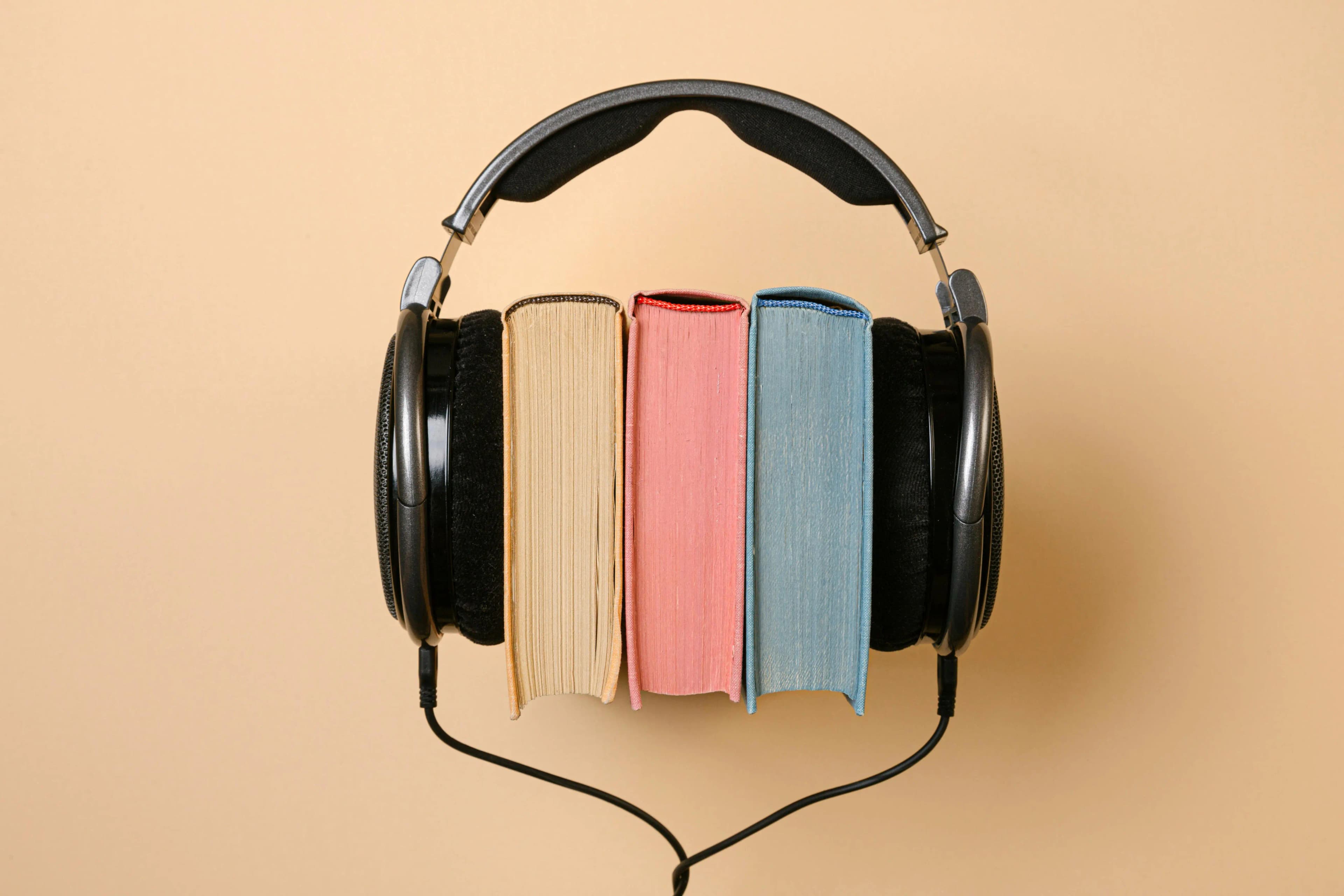
Having an audiobook can change your game. It lets you reach more people and earn more money. Today, self-published audio books are getting more popular.
By exploring audiobooks, you can reach more listeners. This move can also boost your author brand. It makes your work easier to get to, reaching more people.
Key Takeaways
Expand your audience with audiobooks
Tap into the growing market of audiobook listeners
Enhance your overall author brand
Increase your revenue streams
Make your content more accessible
The Rise of Audiobooks in the Publishing Industry
The audiobook industry is booming, thanks to new tech and changing tastes. Independent authors and publishers see audiobooks as a key way to reach more people.
Key Statistics on Audiobook Growth
The audiobook market is growing fast. Here are some key stats:
Audiobooks grow by 20-30% each year.
They now make up 10-15% of all book sales.
The global market is expected to hit $15 billion by the end of 2025.
These numbers show the immense potential for indie authors in the audiobook market. It's a great way to increase their reach and earnings.
Trends Driving Audiobook Popularity
Several trends are making audiobooks more popular. These include:
Increased smartphone penetration: More people can easily listen to audiobooks on their phones.
Commuting and multitasking: Audiobooks are perfect for listening while doing other things.
Immersive storytelling: Better narration and production make audiobooks more engaging.
For indie writers, knowing these trends is key. It helps them use spoken word to connect with their audience better.
Why Audiobooks Are Essential for Indie Authors
As an indie author, making an audiobook can really help you reach more people. It's a great way to connect with listeners who like hearing stories rather than reading them. This can help you grow your audience.
Expanding Your Audience Reach
Creating an audiobook lets indie authors enter the growing audiobook market. More people are listening to books on their phones or players. This means you can reach those who don't have time to read a physical book.
Key benefits of expanding your audience reach through audiobooks include:
Increasing your visibility in the publishing industry
Enhancing your author brand
Driving engagement with your work
Capitalizing on Consumer Preferences
People are now listening to books more than ever. By making an audiobook, indie authors can meet this demand. DIY audiobook production lets authors keep creative control and connect with fans through author-narrated stories.
| Consumer Preference | Audiobook Benefit |
| Listening on-the-go | Convenience and accessibility |
| Multitasking while consuming content | Enhanced productivity |
| Immersive storytelling experience | Emotional connection with the narrative |
By understanding and using these preferences, indie authors can grow their audience. The goal is to make high-quality audiobooks that listeners love.
The Benefits of Going Audiobook
As an indie author, diving into audiobooks can be a big leap forward. It opens up new ways to grow and earn money. By exploring audiobooks, indie authors can reach more readers and boost their visibility.
One key perk of making an audiobook is the chance for more money. Audiobooks are getting more popular, with sales going up every year. Indie authors can attract listeners who like hearing stories instead of reading them. This way, they can grow their audience.
Increased Revenue Opportunities
Indie authors can make the most of the audiobook trend by creating self-published voice recordings. This not only brings in new money but also lets authors keep their creative freedom. Sites like ACX (Audiobook Creation Exchange) help authors find narrators and producers.
Audiobooks provide a new way to earn money on platforms like Audible, Amazon, and iTunes.
Indie authors can keep their rights and control over their audiobooks.
Audiobooks can reach people all over the world, opening up international markets.
Enhanced Reader Engagement
Audiobooks also bring deeper connection with readers. The narrator's voice adds a new dimension to the story. This can make readers feel closer to the author, leading to loyalty and more reviews.
"The audiobook has become an essential part of the reading experience for many readers. It's not just about the story, it's about how the story is told."
By choosing top-notch narration for their independent writer audio editions, authors can make their work shine. This improves the listening experience and helps build a dedicated fan base.
In summary, going audiobook is a smart move for indie authors. It brings more money and a closer bond with readers. By embracing audiobooks, authors can grow their audience, earn more, and connect with fans on a deeper level.
How Audiobooks Can Elevate Your Brand
Indie authors can boost their brand by adding audiobooks to their strategy. This move helps them reach more people and connect better with their fans.
Establishing Authority in Your Genre
Creating top-notch indie author audiobooks boosts your credibility. When people see you as professional, they're more likely to share your work. This can grow your reputation and audience fast.
To stand out, focus on your audiobook's quality. Good narration and sound engineering are key. It's not just about reading; it's about creating a captivating experience.
Building a Loyal Fan Base
Self-published audio books let indie authors connect deeply with their readers. The personal touch of audiobooks builds a strong bond. This can turn listeners into loyal fans eager for more.
Interacting with your audience through social media or live events strengthens this bond. Share your journey from writing to production. This builds a community and encourages feedback and support.
By using indie author audiobooks and focusing on quality and engagement, indie authors can make their brand shine. They'll stand out in a crowded market and gain a dedicated fan base.
Choosing the Right Format for Your Audiobook
Creating an audiobook means making several important choices. You need to decide on the narration style and the audiobook's structure. As an indie author, you can try different formats to see what works best for your listeners.
One key decision is how to narrate your audiobook. You can choose between professional narration or DIY narration. Professional narration means hiring a voice actor. This option offers a polished sound but can be pricey. DIY narration lets you record it yourself, saving money but requiring more effort.
Narration Options: Professional vs. DIY
When picking between professional and DIY narration, think about your budget, story complexity, and personal taste. Professional narrators add expertise but cost more. DIY narration is cheaper but demands time and effort for quality.
Some indie authors like narrating themselves to connect with their audience. Others prefer hiring a pro. Your choice depends on your goals, resources, and the story's tone.
Length and Structure Considerations
The length and structure of your audiobook are key. Most are 7-10 hours, but genre and content complexity can change this. Break it into chapters or sections to help listeners follow.
Think about the pacing and tone of your narration too. A well-structured audiobook keeps listeners engaged. You might try adding introductions or summaries to improve the experience.
By carefully choosing your narration and audiobook structure, you can create a great listening experience. This will resonate with your audience.
Platforms for Distributing Your Audiobook
Choosing the right platforms is key to getting your audiobook to listeners everywhere. As an indie writer or self-published author, knowing your options for spoken word content is vital.
There are many platforms, each with its own features and benefits. Deciding where to distribute your audiobook can be tough. Let's look at the main platforms and the pros and cons of self-distribution versus traditional publishing.
Overview of Major Audiobook Platforms
Several big platforms lead the audiobook market, offering services for authors and publishers. These include:
Audiobooks.com: A top platform for audiobook distribution, with a huge library for consumers.
ACX (Audiobook Creation Exchange): A platform by Audible that connects authors with narrators and producers.
Findaway Voices: A favorite for distributing audiobooks to many platforms, including libraries and retailers.
Google Play Books and Apple Books: Major retailers that also distribute audiobooks.
| Platform | Distribution Channels | Royalty Rate |
| ACX | Audible, Amazon, iTunes | 25%-40% |
| Findaway Voices | Over 50 retailers, including libraries | Varies by retailer |
| Audiobooks.com | Direct to consumers | Up to 75% for self-published |
Self-Distribution vs. Traditional Publishing
You have two main options for distributing your audiobook: self-distribution and traditional publishing. Each has its own pros and cons.
Self-distribution lets you control the process and can offer higher royalties. Platforms like ACX and Findaway Voices let you distribute your self-published voice recordings to major retailers and libraries. But, you'll need to handle production and marketing yourself.
"Self-publishing your audiobook can be incredibly rewarding, but it also means you'll be handling all aspects of production and distribution."
Traditional publishing, on the other hand, involves working with a publishing house. They handle production, distribution, and marketing. This can reduce your workload but means less control and possibly lower royalties.
The choice between self-distribution and traditional publishing depends on your goals, resources, and preferences as an indie writer or self-published author.
Marketing Your Audiobook Effectively
Marketing your audiobook well means using many channels and strategies. As an independent writer, your author-narrated stories can be a big plus. It lets you connect straight with your listeners.
Social Media Strategies for Promotion
Social media is key for promoting your independent writer audio editions. Use sites like Facebook, Twitter, and Instagram. Share clips, behind-the-scenes stuff, and talk to your audience.
Create engaging content that resonates with your audience.
Utilize hashtags to increase visibility and reach a broader audience.
Share testimonials and reviews from satisfied listeners.
These steps can help you grow a loyal fan base. They also create excitement for your audiobook.
Collaborating with Influencers
Working with influencers in your field can really boost your audiobook's visibility. Find influencers who match your target audience. Then, suggest a partnership that works for both of you.
For example, you could offer them a free copy of your audiobook in exchange for a review or a shoutout on their social media channels.
Good marketing is about connecting with your listeners, not just reaching many people. By using social media and teaming up with influencers, you can build a dedicated fan base for your independent writer audio editions.
The Production Process Explained
As an indie author, starting your own audiobook can be very rewarding. It's important to know the steps from start to finish. Each step is key to making a great audiobook.
Steps in Audiobook Creation
Creating an audiobook takes several important steps:
Preparation: First, edit your manuscript and create a style guide for the narrator. Make sure you have the rights to any music or copyrighted material.
Recording: Choose if you'll narrate it yourself or hire a pro. Use quality recording equipment for clear sound.
Editing: Next, edit the audio to remove mistakes and unwanted sounds. Audacity is a great tool for this.
Post-production: Then, mix and master the audio to make it sound professional and right volume.
Quality Check: Finally, listen to the final product to find any errors or areas for improvement.
Here's a simple table showing the audiobook production process:
| Step | Description | Tools/Software |
| Preparation | Edit manuscript, prepare style guide | Microsoft Word, Google Docs |
| Recording | Record audio using good quality equipment | Audacity, Adobe Audition |
| Editing | Edit recorded audio for mistakes and quality | Audacity, Pro Tools |
| Post-production | Mix and master the audio | Adobe Audition, Pro Tools |
Common Pitfalls to Avoid
Producing your own audiobook can be rewarding, but watch out for common mistakes:
Poor Sound Quality: Good recording equipment is key. Avoid background noise, echo, and distortion.
Inconsistent Narration: Keep the narration consistent in pace, tone, and volume. If hiring a narrator, give them a detailed guide.
Lack of Editing: Don't skip editing. Listen through and fix mistakes to ensure quality.
Knowing the steps and avoiding common mistakes can help indie authors create great audiobooks. These books can really connect with listeners.
Importance of Quality Audio
Audiobook quality is crucial for keeping listeners engaged. As an indie author, you can captivate your audience with top-notch narration and production. High-quality audio is key to how listeners see your work and if they'll keep listening.
How Sound Quality Affects Listener Experience
Sound quality is vital for the listener's experience. Clear, crisp audio makes the story more immersive and fun. But, poor sound quality can be a turn-off, making listeners unhappy.
Here are some key factors to consider:
Clarity: Easy to understand narration.
Background Noise: Minimal to no distracting sounds.
Volume Consistency: Consistent volume levels throughout.
Keeping these aspects in mind ensures a top-notch listening experience.
Choosing the Right Equipment
Getting the right equipment is essential for quality audio. While saving money is tempting, investing in professional gear boosts your audiobook's value. Key items include:
| Equipment | Description | Importance |
| Microphone | Captures the narrator's voice | High |
| Audio Interface | Connects microphone to computer | High |
| Headphones | Monitors audio during recording | Medium |
| Pop Filter | Reduces plosive sounds | Medium |
| Boom Arm | Positions microphone correctly | Medium |
Choosing the right equipment and knowing its role can greatly improve your audiobook's quality.
For indie authors starting with audiobooks, quality audio is key. Focus on clear sound and invest in good equipment. This will make your story more impactful and attract loyal listeners.
Legal Considerations for Audiobook Rights
Protecting your audiobook work starts with knowing about copyright and licensing. As an indie author, you're not just making content. You're also building a brand that needs legal protection.
Copyright Essentials for Indie Authors
Copyright law gives you exclusive rights over your work. This includes the right to reproduce, distribute, and display your work. For indie writers producing spoken word content, your audiobook is protected from the start.
But, registering your copyright is key if you want to sue for infringement. You need to submit an application to the U.S. Copyright Office. You'll also need to pay a fee and include a copy of your work.
Licensing and Your Intellectual Property
Licensing agreements let others use your work under certain rules. For self-published voice recordings, it's vital to understand these agreements. This is especially true when working with narrators, producers, or distributors.
A good licensing agreement should clearly state the terms of use. This includes how long the license lasts, where it applies, and any royalties or fees. It's important to negotiate terms that protect your rights while letting your work reach more people.
| Licensing Term | Description | Considerations |
| Duration | The length of time the license is valid | Ensure it's not too long; consider renewal options |
| Territory | Geographic regions where the license applies | Be specific to maintain control in other regions |
| Royalties/Fees | Payments made to the rights holder | Negotiate fair rates; understand how they're calculated |
By understanding and using copyright and licensing agreements, indie authors can safeguard their work. They can also make it available to more people.
Connecting with Audiobook Lists and Communities
Audiobook lists and communities are great for authors to promote their work. They help indie authors get noticed and build a loyal fan base.
Getting Featured on Audiobook Platforms
To get featured, focus on making high-quality, engaging author-narrated stories. Here are some tips:
Make sure your audiobook sounds professional with good sound quality and narration.
Ask listeners to leave reviews on places like Audible or Audiobooks.com.
Use social media to promote your audiobook and talk to potential listeners.
Try running promotions or offering discounts to draw in new listeners.
For independent writer audio editions, be unique. Offer content that speaks to your audience.
Engaging with Audiobook Listeners
Connecting with your audience is crucial. Here's how:
Chat with listeners on social media and audiobook communities.
Host Q&A sessions or live readings to meet your audience.
Ask for feedback to see what your listeners like.
Give exclusive content to your loyal listeners to keep them interested.
By using these strategies, you can connect well with audiobook lists and communities. This will boost your visibility and help you build a loyal fan base for your author-narrated stories and independent writer audio editions.
Future Trends in Audiobooks for Indie Authors
The audiobook world is about to change a lot. New tech and how people listen are leading the way. Indie authors have a chance to connect with more readers.
Innovations Shaping the Industry
DIY audiobook making is becoming big. Indie authors can now make great audiobooks without spending a lot. Sites like ACX and Findaway Voices help authors publish their own audiobooks.
What's Next for Audiobooks?
In the next ten years, audiobook tech will get even better. We'll see better voice recognition and more personal listening. Indie audiobooks will keep growing, bringing new ways to share stories.
Indie authors who keep up with these changes will do well. They'll find new ways to reach and engage their listeners.
FAQ
What are the benefits of creating an audiobook as an indie author?
Audiobooks can help indie authors reach more people, make more money, and connect with readers better. They tap into the growing demand for audio content. This way, indie authors can engage with listeners who prefer hearing stories over reading them.
How do I choose the right narration style for my audiobook?
Indie authors have two options: professional narration or DIY narration. Professional narration offers high quality, while DIY is cheaper and more personal. The choice depends on what the author wants, their budget, and personal taste.
What are the key considerations for distributing my audiobook?
Indie authors can share their audiobooks on big platforms like Audible, Apple Books, and Google Play. They can also choose self-distribution or traditional publishing. The best option depends on the author's goals, who they want to reach, and their business plan.
How can I effectively market my audiobook?
Marketing an audiobook needs a good plan, including social media, influencer partnerships, and more. Indie authors should use their online presence, talk to their audience, and consider paid ads to find new listeners.
What are the common pitfalls to avoid when producing an audiobook?
Common mistakes include bad sound quality, not editing enough, and not marketing well. Indie authors should invest in good equipment, work with pros, and have a solid marketing plan for a successful audiobook.
How can I protect my intellectual property as an indie author creating an audiobook?
Indie authors can protect their work by knowing about copyright and licensing, registering their book, and understanding their rights. They should also check the rules of audiobook platforms and make sure they're not breaking any laws.
What are the future trends in audiobooks that indie authors should be aware of?
The audiobook world is always changing, with new tech, shifting tastes, and new ways to share books. Indie authors should keep up with these changes, like voice-activated devices, immersive audio, and making books more accessible.
Can I create a successful audiobook as a self-published author?
Yes, self-published authors can make great audiobooks by focusing on quality, marketing, and connecting with their audience. By using audiobooks well, self-published authors can grow their audience, make more money, and win loyal fans.